

In solar power projects, technical aspects often become the primary determinants of whether a system will perform as planned or instead create operational challenges in the future. For companies that view solar power as a long-term investment, understanding key technical factors is essential to maintaining system reliability, efficiency, and safety throughout its operational lifetime.
Solar power system planning always begins with a thorough understanding of the electrical load profile. Detailed analysis of energy consumption data determines the most appropriate system configuration. Without accurate load analysis, systems risk being over- or under-sized, both of which directly affect performance and project economics. In professional practice, this evaluation is based on historical data and actual operational patterns, rather than rough estimates.
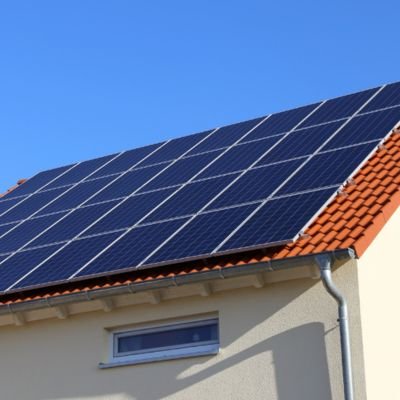
Another critical technical aspect is site and structural analysis. Each building has unique characteristics, including orientation, roof inclination, and structural capacity to support additional loads. Inadequate structural calculations can introduce safety risks and accelerate system degradation. Therefore, solar system design must comprehensively consider the building’s physical conditions, including environmental factors that affect long-term panel performance.
Electrical system design is a crucial element in ensuring operational stability. The selection of inverters, string configurations, and protection systems must be aligned with grid characteristics and applicable safety standards. Errors at this stage may not be immediately visible during initial operation but can lead to system disturbances, performance degradation, or even component failure over time.
Beyond system design, component quality plays a major role in the reliability of solar power systems. Solar modules, inverters, mounting structures, and monitoring systems must be selected based on technical specifications, proven performance records, and project suitability. Components that do not meet required specifications can gradually reduce energy output and increase maintenance needs, ultimately affecting overall investment returns.
The installation and commissioning phase ensures that all technical plans are properly implemented on-site. This process includes workmanship inspections, system testing, and verification that all operating parameters fall within the intended design limits. Without comprehensive commissioning, potential technical issues are often only identified after the system has been in operation for some time.
After commissioning, technical considerations continue through ongoing monitoring and maintenance. Performance monitoring enables early detection of performance degradation or system faults. A structured maintenance approach helps maintain optimal energy output and extends the operational lifespan of the solar power system.